Welcome to the wild world of Multiplayer gaming, where your best friend can become your worst enemy, and your living room turns into a battlefield of epic proportions! Forget about solitary adventures; in this realm, teamwork and rivalry collide like bacon and eggs—deliciously satisfying and utterly chaotic.
From cooperative quests that require the synergy of a superhero team to competitive showdowns that would make gladiators proud, multiplayer gaming has become a digital playground where friendships are forged, rivalries ignited, and memories made. With a sprinkle of cutting-edge technology and a dash of community spirit, it’s no wonder that players are flocking to this vibrant landscape of shared experiences and endless fun.
Multiplayer Gaming Fundamentals
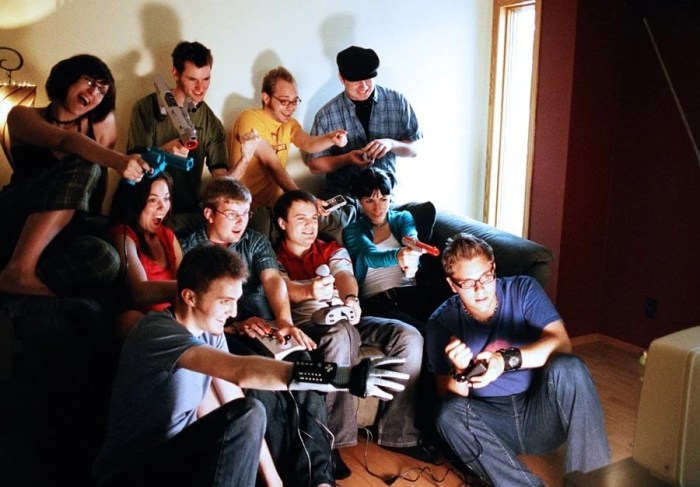
Multiplayer gaming is like a colossal pizza party where everyone gets a slice of action, excitement, and sometimes, a side of friendly bickering. It has revolutionized the gaming industry, transforming solitary experiences into vibrant communities that span across the globe. As players connect from different corners of the world, multiplayer gaming has become a staple in online entertainment, fostering competition, collaboration, and camaraderie.The significance of multiplayer gaming is underscored by its ability to bring players together, allowing them to engage in cooperative adventures, fierce rivalries, or massive online gatherings.
This dynamic interaction not only enhances player engagement but also extends the life of games through community support and ongoing content creation.
Types of Multiplayer Gaming Modes
To better understand multiplayer gaming, it’s essential to explore the various modes that cater to different player preferences, each offering a unique flavor of gameplay. These modes can be categorized broadly into cooperative, competitive, and massively multiplayer online (MMO) experiences.
- Cooperative Mode: In this mode, players unite to achieve a common goal, such as defeating a formidable boss or completing a mission. Think of it as the ultimate teamwork exercise where failure is not an option, but if it happens, there’s definitely a good chance someone will blame the lag.
- Competitive Mode: Here, players face off against each other, battling for supremacy. It’s like a high-stakes chess game where the only thing on the line is your ego (and maybe some loot). Examples include games like Call of Duty and League of Legends, where strategy and reflexes reign supreme.
- Massively Multiplayer Online (MMO): This is the realm of vast virtual worlds populated by thousands of players. It’s akin to a beehive buzzing with activity, where players can embark on epic quests, trade items, or just hang out and chat in-game cafes. Titles like World of Warcraft and Final Fantasy XIV exemplify this mode, where the experience is as much about social interaction as it is about gameplay.
Technology Behind Multiplayer Gaming
The backbone of multiplayer gaming is its technology, particularly servers and networking, which facilitate seamless interactions among players. Without these technological marvels, the multiplayer universe would resemble a deserted island—lonely and devoid of epic battles.Servers act as the central nervous system of multiplayer games, processing data, hosting matches, and ensuring players can connect with each other without feeling like they are playing in slow motion.
These can be dedicated servers, where specific hardware is set aside exclusively for game hosting, or peer-to-peer connections, where players’ devices share the load. Networking protocols are the unsung heroes that keep everything running smoothly. They govern how data packets travel back and forth, ensuring that players’ actions are synced in real-time. The level of sophistication in networking technology has increased dramatically, allowing for complex interactions and reducing latency to a mere hiccup rather than a full-blown meltdown.
“In the world of multiplayer gaming, every millisecond counts. Lag can turn a hero into a zero faster than you can say ‘game over’!”
Gaming Communities and their Impact

In the sprawling universe of multiplayer gaming, communities serve as the bustling hubs where players congregate, strategize, and sometimes even form lifelong friendships. These virtual ecosystems aren’t just about high scores and epic loot; they are the lifeblood of interaction, collaboration, and sometimes a little chaos. They can make the difference between a solo grind and a legendary adventure filled with camaraderie and shared memories.Gaming communities play a pivotal role in enhancing multiplayer experiences by fostering a sense of belonging among players.
Through forums, social media groups, and in-game chat systems, players share strategies, tips, and hilarious memes. These platforms allow gamers to connect beyond just their gaming skills, transforming strangers into allies and rivals into friends. The influence of online platforms cannot be overstated; they serve as the digital glue that holds these communities together.
Online Platforms for Community Building
The rise of gaming communities is heavily intertwined with online platforms that provide the necessary framework for interaction and collaboration. These platforms not only facilitate communication but also empower players to create and share content, thus enriching the gaming experience. Here are some key aspects of how they contribute to community building:
- Forums and Discussion Boards: Websites like Reddit have dedicated sections for almost every game. These forums serve as a space for players to discuss strategies, glitches, and in-game events, creating a vibrant exchange of ideas.
- Discord Servers: With its voice and text chat capabilities, Discord has become the quintessential hangout spot for gamers. Players can join servers dedicated to specific games, fostering real-time discussions and team coordination.
- Streaming Platforms: Platforms like Twitch allow gamers to showcase their skills and build a fanbase. Streamers often interact with their viewers, creating a community around their gaming persona.
- Social Media Groups: Facebook and Twitter, among others, provide spaces for gamers to connect, share updates, and organize events, enhancing community engagement outside of the game itself.
The ability of these platforms to connect people from across the globe has redefined the gaming landscape, allowing players to form alliances and engage in friendly banter that transcends borders.
Influential Gaming Communities
Numerous gaming communities have made a significant impact on both game development and user engagement, shaping the gaming world in ways that are often overlooked. Some communities have notably swayed the direction of games through feedback, while others have sparked new trends and genres.
- World of Warcraft (WoW) Community: This community has not only sustained the game for years but has also influenced game design decisions through forums and in-game feedback. Its players have created numerous guides and resources that have educated new generations of gamers.
- Fortnite Community: The sheer creativity of its players, from intricate dances to unique skins, has led to a towering influence on popular culture and game marketing strategies.
- Speedrunning Community: This group has turned competitive gaming into an art form, pushing the boundaries of how games are played and often leading developers to patch glitches that speedrunners exploit.
- League of Legends Community: With a massive following, this community has influenced game balance and updates, demonstrating the power of player feedback in shaping competitive gaming.
As these communities grow, they not only enhance player engagement but also become catalysts for innovation in game development. Their voices and actions can lead to significant changes, reflecting the dynamic nature of multiplayer gaming today.
Gaming Platforms and Accessibility
In the thrilling realm of multiplayer gaming, the platform you choose can be the difference between a heroic victory and a comical defeat. Whether you prefer the elegance of PC gaming, the comfort of consoles, or the on-the-go accessibility of mobile devices, each platform offers its unique flavor of mayhem and camaraderie. Let’s dive into this digital buffet of gaming options and see what each has to offer, while keeping our nerdy appetites satisfied!
Comparison of Gaming Platforms
When it comes to multiplayer gaming, each platform presents its own pros and cons, appealing to different kinds of players. Here’s a rundown of the key differences among PC, console, and mobile gaming:
- PC Gaming: Known for its powerful hardware, modding capabilities, and vast libraries of games. The flexibility of upgrades allows players to enhance their experience, although this can lead to an infinite money sink if you’re not careful. The mouse and keyboard combo offers precision control that many FPS fanatics adore.
- Console Gaming: The convenience of consoles provides a plug-and-play experience. They are optimized for gaming, reducing the headache of system requirements. However, the closed ecosystems can limit customization and upgrades. Their controllers are great for couch gaming, but good luck if you’re trying to take down that PC sniper!
- Mobile Gaming: The ultimate in portability, mobile platforms allow you to game anywhere, anytime. Accessibility is through the roof, but graphics and game depth often take a hit. If you’re looking for a quick match during your commute, mobile gaming is your friend – just don’t be that person who screams “headshot!” on the subway!
Advantages and Disadvantages of Console Systems
Console systems have carved a niche in the multiplayer gaming world, providing both benefits and drawbacks that can impact the overall gaming experience. Here’s a closer look at what they bring to the table:
Consoles: Great for parties, but may leave you wanting in customizability.
- Advantages:
- Accessible and user-friendly interface, making it easy for newcomers to jump in.
- Exclusive games that often become cult favorites (hello, Mario and Halo!).
- Stable performance optimized for gaming, reducing lag and loading time.
- Social features integrated into the console, such as party chat and matchmaking.
- Disadvantages:
- Limited hardware customization; you’re stuck with what you buy.
- Online services often require subscription fees, adding to the overall cost.
- Games can be more expensive than their PC counterparts, especially for exclusive titles.
- Backward compatibility can be hit or miss, leaving some beloved games in the dust.
Online Gaming Services and Subscriptions
To enhance multiplayer experiences, various online gaming services and subscription models have emerged, offering players an array of features that can elevate their gaming escapades. These services often provide additional game access, exclusive content, and even cloud gaming capabilities.
- Popular Services:
- Xbox Game Pass: A buffet of games for a monthly fee, this service is a treasure trove for gamers looking to explore new titles without breaking the bank.
- PlayStation Plus: Offering free monthly games and access to online multiplayer, it’s like a VIP pass to the gaming club, but with more pixelated action.
- Nintendo Switch Online: With classic games and online capabilities, this service brings retro vibes while keeping you connected with friends for some Mario Kart madness.
- Steam Subscription Services: While primarily a game store, Steam’s subscription models and family sharing options allow you to dive into a massive library with your pals – or siblings, if you’re feeling generous.
Wrap-Up
So there you have it, the captivating universe of Multiplayer gaming, where every click and keystroke can lead to a legendary tale or a hilarious fail. Whether you’re scaling mountains with comrades or battling it out in the latest MMO frenzy, remember that at the heart of it all lies the joy of connection and the thrill of the game.
So grab your headset, gather your squad, and dive into the pixelated chaos—after all, the next great adventure awaits!
Questions Often Asked
What is multiplayer gaming?
Multiplayer gaming is a mode where multiple players participate in a game simultaneously, either cooperatively or competitively.
What are the different types of multiplayer modes?
Common types include cooperative, competitive, and massively multiplayer online (MMO) modes.
How does multiplayer gaming work?
It relies on servers and networking technology to connect players across different locations.
Can I play multiplayer games on different platforms?
Yes, many games are cross-platform, allowing players on consoles, PCs, and mobile devices to play together.
How do gaming communities affect multiplayer experiences?
They enhance player interaction, provide support, and often influence game development through feedback and engagement.