VR gaming is like stepping into a candy store where every game is a wild rollercoaster ride waiting for you to hop on! Imagine donning a headset and finding yourself smack dab in the middle of epic battles or soaring through fantastical worlds, all while your couch remains blissfully unaware of your adventures. This immersive technology has transformed traditional gaming, flipping it on its head and inviting players to engage like never before.
From the clunky prototypes of yesteryear to sleek, modern headsets that would make even the Jetsons jealous, VR gaming has evolved tremendously, reshaping the landscape of interactive entertainment. As it weaves itself into the very fabric of gaming culture, it sparks a sense of community, excitement, and endless exploration in a world where limits are merely suggestions!
VR Gaming Overview
Virtual Reality (VR) gaming has skyrocketed from a sci-fi fantasy into a tangible experience that allows players to dive headfirst into immersive worlds. It combines advanced technology with rich storytelling, creating a unique interface where physical actions translate into the digital realm. This adventure isn’t just about flashy graphics; it’s about being a part of an ecosystem where players can swing swords, solve puzzles, or even dance with pixelated llamas—all while wearing a headset that makes the couch feel like a battlefield.The fundamental concepts behind VR gaming revolve around the seamless integration of hardware and software.
At its core, VR involves head-mounted displays (HMDs) that provide a 3D visual experience, often paired with motion-tracking technology that translates real-world movements into the virtual space. The technology has advanced significantly, incorporating haptic feedback suits, motion controllers, and even treadmills that allow players to walk in place. Unlike traditional gaming, which typically relies on flat screens and handheld controllers, VR gaming creates an engaging environment where users can physically interact with their surroundings, leading to a deeper emotional connection with the game.
Comparison of VR Gaming with Traditional Gaming Formats
Understanding the distinctions between VR and traditional gaming formats is crucial for appreciating the evolution of play. Traditional gaming often involves fixed perspectives—think of the classic 2D sprites or even the 3D models on a screen. VR, however, provides a 360-degree experience that surrounds the player, making the action feel immediate and visceral. Here are some key differences:
- Immersion: VR gaming envelops players in a digital world, while traditional gaming limits interaction to a flat screen.
- Physical Engagement: VR requires players to move around, whereas traditional gaming usually involves sitting still.
- Interactivity: In VR, players can manipulate environments and objects using their hands, while traditional gaming often relies on buttons and sticks.
- Social Experience: VR enables players to share the same virtual space, fostering real-time interaction much like a multiplayer game, but with heightened realism.
Evolution of VR Gaming and Its Impact on the Gaming Industry
The journey of VR gaming began as far back as the 1960s with rudimentary systems like the Sensorama, but it wasn’t until the 1990s that it gained any mainstream traction. The industry’s breakthrough moment came with devices like the Oculus Rift and HTC Vive, which transformed the gaming landscape. This shift has led to an explosion of titles across genres, from horror to puzzle-solving games, engaging players in ways previously thought impossible.
The impact on the gaming industry has been monumental:
“VR isn’t just a trend; it’s reshaping how we create and experience games.”
The following factors illustrate the impact of VR on the gaming landscape:
- New Genres: VR has birthed unique genres like escape rooms and immersive storytelling experiences, expanding the gaming palate.
- Developer Innovation: Game developers are pushed to create experiences that leverage VR’s capabilities, leading to more creative storytelling and mechanics.
- Market Growth: The VR gaming market is projected to grow significantly; estimates suggest it could reach over $45 billion by 2025, inviting more investment and development.
- Community Building: VR has fostered communities around shared experiences, allowing players to connect in new ways, often transcending geographical barriers.
Gaming Communities in VR
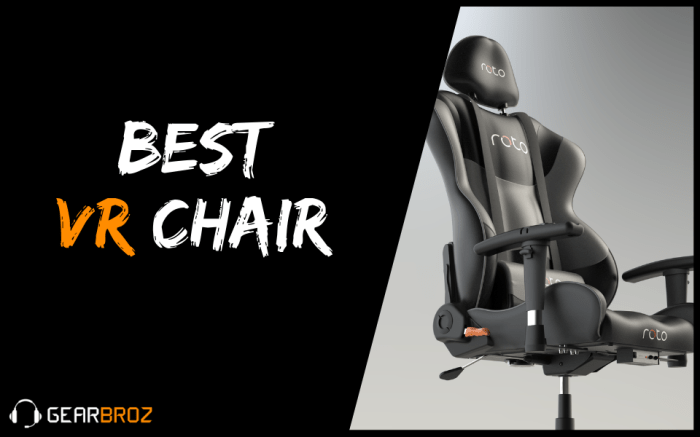
In the whimsical world of virtual reality, gaming communities blossom like pixelated flowers in a digital garden. These vibrant spaces not only enhance our gaming experiences but also serve as social hubs where friendships can flourish faster than a speedrunner in a glitchy game. Whether you’re a lone wolf or a team player, these communities offer a gateway to connect, compete, and collaborate with fellow VR enthusiasts.
The significance of gaming communities in VR cannot be overstated. They provide a platform for players to share tips, tricks, and memes that only the initiated would understand. These communities often shape the gaming landscape, influencing game development and fostering a sense of belonging among players. Moreover, they bridge the gap between solo play and the bustling world of multiplayer gaming, ensuring that no one has to navigate their virtual quests alone.
Popular VR Gaming Communities
Diving into the bustling bazaar of VR gaming communities reveals a treasure trove of options for every type of gamer. Here are some of the most popular VR gaming communities, each with its unique flair and significance:
- VRChat: Often referred to as the “social media of VR,” VRChat allows users to create their own avatars and immerse themselves in a plethora of user-generated worlds. Players can engage in everything from casual hangouts to creative storytelling, making it a versatile platform for social interactions.
- Rec Room: This community is like a virtual playground, featuring games, activities, and events that encourage creativity and teamwork. With a friendly atmosphere, it’s a perfect spot for making new friends while honing your game skills.
- Oculus Quest Forums: This forum is a hub for Oculus users, where they can exchange advice, troubleshoot issues, and share their favorite game recommendations. It’s an essential resource for anyone looking to get the most out of their VR experience.
Engaging with other VR gamers can be as simple as donning your headset and joining a game, but there are also more intentional methods to foster connections. Finding and participating in community events—be it tournaments, themed nights, or collaborative projects—can significantly enhance your social experience in VR.
Building Connections in VR Gaming
Connecting with fellow gamers within the virtual realm can lead to friendships that transcend the digital divide. Here are some effective ways to engage and build lasting connections:
- Join Discord Servers: Many gaming communities host dedicated Discord channels where players can chat, organize events, and share their experiences. Engaging in conversations and participating in voice chats can help break the ice and forge new friendships.
- Attend Virtual Meetups: Participating in events like game nights or VR conventions provides excellent opportunities to meet like-minded gamers. These gatherings often lead to collaborative gameplay and shared experiences that strengthen community bonds.
- Participate in User-Generated Content: Many VR platforms encourage users to create and share their own content. Getting involved in the creation of new worlds or games not only enhances your skills but also connects you with fellow creators.
Social VR Experiences in Multiplayer Gaming
The role of social VR experiences in multiplayer gaming is akin to the icing on a delicious cake—it takes the whole experience to the next level. Social VR allows players to interact in ways that traditional gaming cannot, enhancing the multiplayer experience with a sense of presence and community. Engaging in multiplayer VR games creates scenarios where players can not only strategize and compete but also socialize in real-time.
The ability to see other players’ avatars, hear their voices, and even share virtual high-fives makes every encounter more immersive and memorable. Here are some key benefits of social VR experiences in multiplayer gaming:
- Enhanced Communication: Voice and gestures in VR allow for more nuanced interactions, making it easier to build rapport and camaraderie among players.
- Shared Experiences: Engaging in epic battles or cooperative missions creates unforgettable memories that strengthen community ties.
- Collaborative Problem-Solving: Working together in virtual environments to overcome challenges fosters teamwork and can lead to lasting friendships borne from shared triumphs.
“In the realm of VR, every pixel is a potential friend waiting to be uncovered!”
VR Gaming Hardware and Software

Imagine slipping on a headset and instantly being transported to a galaxy far, far away, where you can duel Sith lords or sip digitally brewed coffee in a vibrant café on the planet Zog. The magic lies not just in the games but also in the hardware and software that make this experience possible. The world of virtual reality gaming is a spectacular blend of cutting-edge technology, innovative design, and, let’s face it, a sprinkle of nerdy fun.
Let’s dive into the fascinating realm of VR systems and the games that keep us coming back for more.
VR Systems Overview
The VR landscape is filled with a variety of systems, each bringing unique specifications and features to the table. Here’s a quick rundown of some of the most prominent VR systems currently tickling the fancy of gamers:
- Oculus Quest 2: With a resolution of 1832 x 1920 per eye and a refresh rate of up to 120Hz, this standalone device is like the Swiss Army knife of VR. No wires, no PC required, just pure immersive fun!
- Valve Index: Known for its high fidelity, the Index offers an impressive field of view (up to 130 degrees) and finger-tracking controllers that make you feel like you’re actually wielding a lightsaber rather than just playing with a plastic stick.
- HTC Vive Pro 2: This beauty boasts a resolution of 2448 x 2448 per eye and a refresh rate of 120Hz, perfect for simulations that demand precision, like flying a spaceship or dodging asteroids.
- PlayStation VR 2: Compatible with the PS5, it features eye-tracking technology and haptic feedback, which means you’ll feel every explosion, even if it’s just a virtual one! Resolution is 2000 x 2040 per eye, making you feel like you’ve stepped right into your favorite game.
Comparison of VR Gaming Consoles and Traditional Consoles
When it comes to gaming systems, the battle between VR consoles and traditional gaming systems is heated. VR consoles are like the adventurous cousin that you can never predict, while traditional consoles are the reliable, steady choice. Let’s explore some key differences:
| Feature | VR Consoles | Traditional Consoles |
|---|---|---|
| Immersion | 360-degree worlds, full-body interaction | Flat screens, limited interaction |
| Physical Activity | Get up and move, dodge and weave! | Sit back and relax, perhaps with a snack |
| Game Variety | Unique VR experiences, but often niche | Broad range of genres and titles |
| Setup Complexity | Can be complicated with sensors and space requirements | Plug and play simplicity |
“VR gaming is like having a magic carpet that can take you anywhere, but sometimes you just want to kick back on the couch.”
Popular VR Games and Gameplay Mechanics
The VR game library is bursting with titles that captivate players, each offering distinct gameplay mechanics that enhance immersion and enjoyment. Here are some standout selections:
- Beat Saber: Slice through blocks to the rhythm of the music, using lightsaber-like controllers. It’s like being a Jedi, but with a disco twist!
- Half-Life: Alyx: Set in the iconic Half-Life universe, this title features intricate puzzles and heart-pounding action that leaves players gasping for air, especially when zombies show up to crash the party.
- Boneworks: Known for its physics-based gameplay, this title allows players to interact with the environment in mind-bending ways. Want to throw a chair at an enemy? Go right ahead!
- The Walking Dead: Saints & Sinners: This game combines survival horror with RPG elements, allowing you to make choices that affect the story. Just remember, the zombies can smell your fear (and your snacks).
Ultimate Conclusion
In conclusion, VR gaming isn’t just about the flashy graphics and impressive tech; it’s about the connections we forge and the experiences we share in these virtual realms. Whether you’re battling monsters alongside friends or delving into solo quests, the world of VR continues to expand, promising even more adventures that are just a headset away. So gear up, dive in, and let the virtual fun begin!
Common Queries
What is VR gaming?
VR gaming is an immersive gaming experience that uses virtual reality technology to create simulated environments where players can interact in a three-dimensional space.
Do I need expensive equipment to play VR games?
While high-end VR systems can be pricey, there are also budget-friendly options available that still offer a fantastic VR experience without breaking the bank.
Can I play VR games with friends?
Absolutely! Many VR games offer multiplayer options, allowing you to team up or compete with friends, making experiences even more enjoyable.
Is VR gaming suitable for everyone?
VR gaming is generally suitable for most ages, but it’s best to check individual game ratings and recommendations, especially for younger players.
What are the health considerations for VR gaming?
While many people enjoy VR gaming without issues, it’s important to take breaks and ensure your play area is safe to avoid accidents or discomfort.